
Challenging “No Essays for SA”: Making the Case for Informal Resolutions for Campus Sexual Violence
Challenging “No Essays for SA”:
Making the Case for Informal Resolutions for Campus Sexual Violence
By Shannon Masden & Kiah Murphy
Victim Rights Law Center
The conversation about Jane Doe’s experience at Cornell has raised a lot of questions about university grievance procedures and appropriate sanctions following sexual violence. While much of it comes from a place of support for survivors, a lot of nuance gets lost in sound bites and headlines.
Sometimes, what a survivor wants and needs looks different than what we might assume. Some survivors have shared that if punitive-based outcomes are the only option, they will choose not to report. Survivors deserve as many pathways towards accountability, justice, and healing as possible.
This is where alternatives to the traditional investigation and hearing process come in. Some schools offer an informal or adaptive resolution. This process is largely outcome-focused and does not involve an investigation or make a determination about whether a policy violation occurred. These processes are entirely voluntary, and both parties can choose to opt out at any point before a resolution is reached.
Survivors choose informal resolution (IR) for a variety of reasons: it can be faster, they have more agency and control over the process, they want different outcomes than the formal process provides, and/or they want to avoid the re-traumatization involved in lengthy interviews or hearings. Survivors have more flexibility to come up with specific forms of accountability (e.g., campus restrictions, education, counseling, essays or reflection papers, compensation, etc.) and, because they had a role in the process, may feel more satisfied with the outcome.
But, IR is not a panacea. Its effectiveness depends on institutional commitment and a respondent’s willingness to engage. In order to get to a place where schools are equipped to facilitate survivor-driven processes, we need significantly more investment in training, education and skill development around the unique nuances of sexual and relationship-based harm. We cannot assume the skills for a fact-finding investigation translate to informal or restorative approaches, and we cannot assume that the skills to facilitate response to such unique forms of harm can be transferred from other forms of law or policy violations. This work requires well-trained, trauma informed, and experienced facilitation.
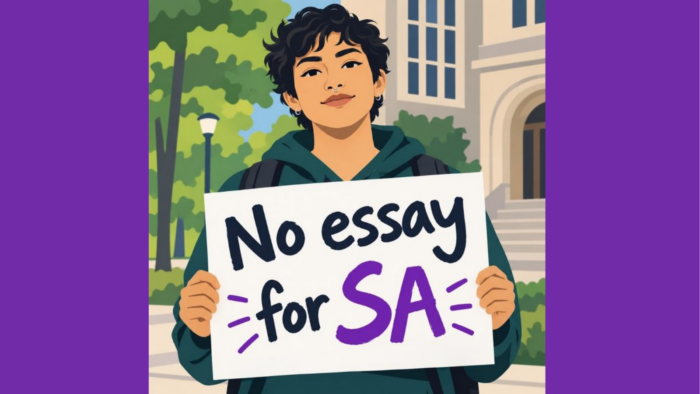
So, when we see slogans condemning reflection papers as part of an outcome for sexual assault, it gives us pause. It is true that traditional formal grievance procedures on campus often don’t consider what a victim wants in terms of sanctions or outcomes. Some survivors will feel invalidated by the sanctions given. But, a survivor-centered movement needs to create space for all experiences, including a survivor who chooses an outcome requiring a respondent to write an essay. Outcomes reached through survivor-driven pathways shouldn’t be up for public debate.
Shannon Masden (she/her) is a former legal advocate and Title IX Coordinator. In her current role at VRLC, she is a national trainer and consultant to colleges and universities on how to expand and improve their responses to sexual violence.
Kiah Murphy (she/her) represents survivors of sexual violence at colleges and universities across Massachusetts. She has advised numerous survivors through the informal resolution process, helping them navigate the process in a way that reflects their specific needs and goals.
Follow Us
